For most motorcyclists, coming across a serious collision is something we hope will never happen. But if it does, the actions taken during those first few minutes, before an ambulance arrives, can make an enormous difference. That is the thinking behind First Bike on Scene (FBOS), a one-day training course designed to give motorcyclists and motorists practical skills that could help save a life at the scene of a road traffic collision.
The origins of FBOS can be traced back more than 20 years to a tragic motorcycle collision in North Wales. A rider lost his life at the scene and it was subsequently established that his death had been caused by asphyxia due to ineffective breathing. The incident prompted motorcycle paramedics within the Northwest Ambulance Service NHS Trust in the UK to develop a course specifically aimed at giving ordinary road users some of the skills used by emergency care professionals.
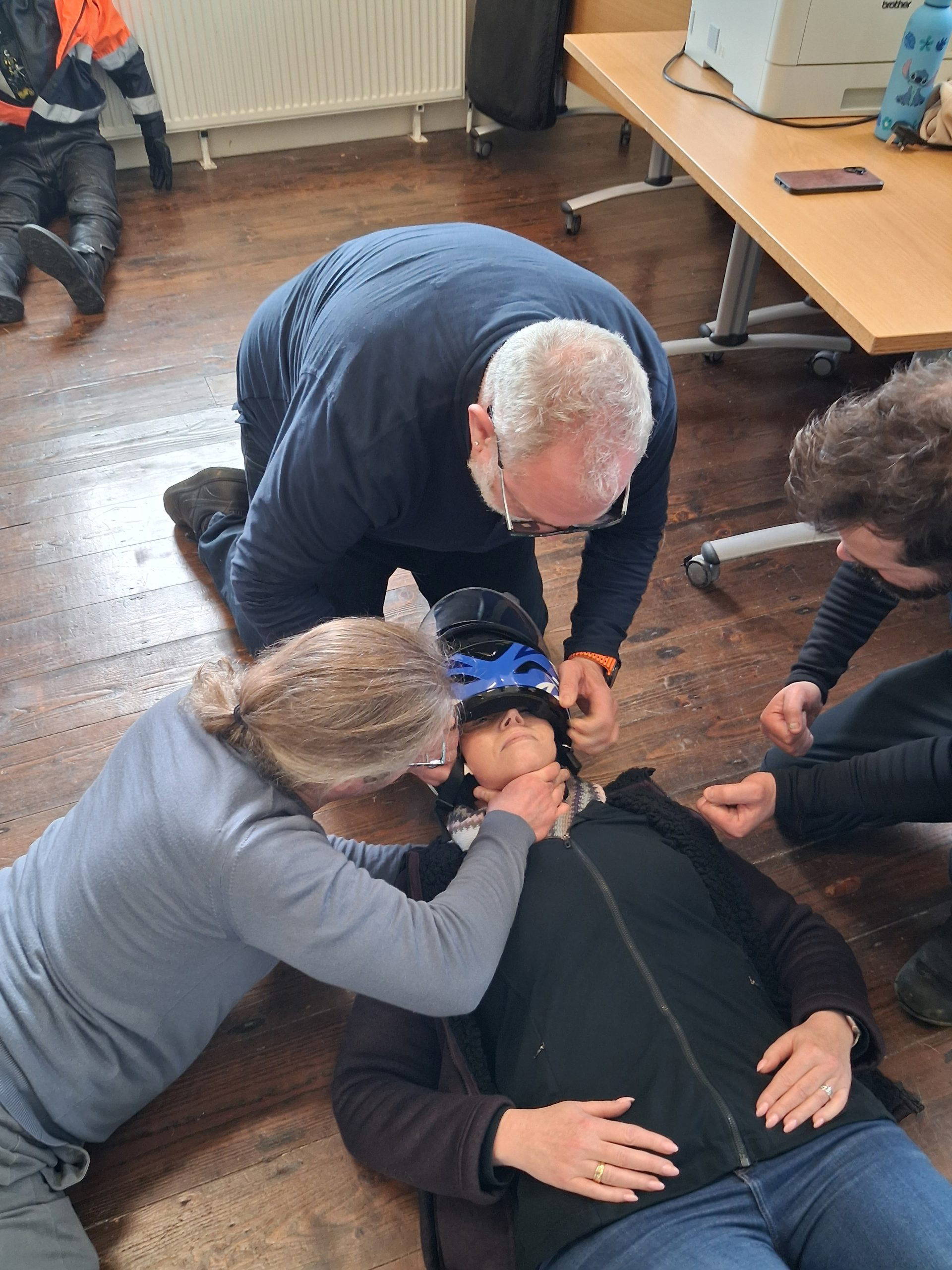
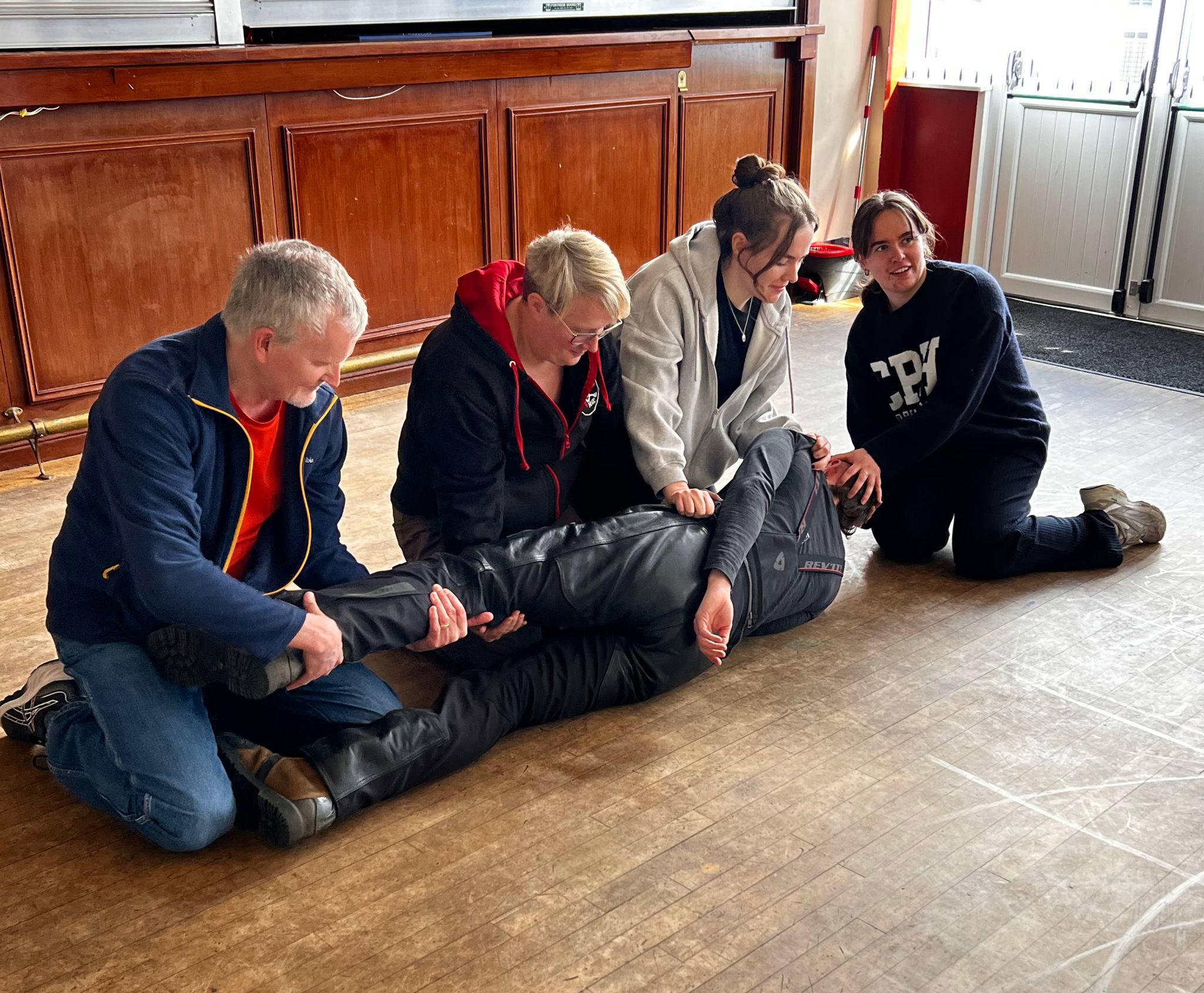
Rather than attempting to turn riders into paramedics in a day, FBOS concentrates on a small number of potentially lifesaving actions. Participants learn how to make a collision scene as safe as possible, assess an injured rider and establish whether they are breathing. The course also covers airway management, when and how a motorcycle helmet should be removed, awareness of possible head, neck and spinal injuries, and CPR, including the use of an automated external defibrillator.
They are skills most of us hope never to need, but ones that could prove invaluable when every second counts. The FBOS course subsequently gained accreditation and certification with the Royal College of Surgeons Edinburgh, Faculty of Pre Hospital Care, between 2008 and 2014, helping it become established within the wider motorcycling community.
FBOS comes to Ireland
First Bike on Scene arrived on the island of Ireland in October 2011 through B.I.K.E.R.S Training Ireland, with courses offered on an all-island basis. Since then, the organisation has worked with a wide range of groups involved in motorcycle and road safety, including the Police Service of Northern Ireland BikeSafe team, Blood Bikes, RoSPA IART, BikeMarshals, motorcycle clubs and insurance organisations. The course itself has continued to evolve. Over the past 15 years, national and international emergency care best-practice protocols have been incorporated into the training, resulting in today’s First Bike on Scene Emergency Response Skills programme.
B.I.K.E.R.S Training Ireland has also developed a long-standing relationship with Shed 4 Bikers in County Kildare. The two organisations began working together in 2017 and continue to run courses twice yearly. Shed 4 Bikers founders Derek and Sylvie have themselves been recognised for their contribution to creating a safety-conscious motorcycling community through a Road Safety Authority Leading Lights Award. Even during the difficult Covid years of 2020 to 2022, FBOS training continued. Class sizes were reduced, social distancing measures introduced and CPR procedures adapted, allowing courses to continue at a time when many motorcyclists were themselves helping to deliver essential supplies to healthcare facilities.
A major review followed in 2022, examining what had worked during the previous decade and how FBOS could develop over the next ten years. The teaching team has since expanded, bringing additional frontline emergency care experience into the programme and allowing more courses to be delivered around the country. Demand has certainly been there. Since the pandemic, motorcycle clubs and groups have increasingly organised FBOS courses in their own clubhouses and meeting venues, making the training accessible to more riders. But perhaps the strongest argument for learning these skills comes from the people who have already had to put them into practice.
B.I.K.E.R.S Training Ireland says it has been informed of 46 separate occasions where people who completed FBOS training subsequently used those skills in real emergency situations, including incidents while travelling overseas. In 33 of those cases, the situations involved particularly serious circumstances, ranging from unconscious and unresponsive casualties to riders who were not breathing. FBOS-trained individuals have carried out airway clearance and, where necessary, helmet removal, with injured riders breathing by the time emergency medical services arrived. In some cases, consciousness had also been restored.
Motorcyclists tend to look out for one another. It is one of the great strengths of the biking community. First Bike on Scene takes that instinct a step further by giving riders the knowledge and confidence to provide meaningful assistance when somebody needs it most. You may complete the course and never have to use what you learn. Hopefully, that will be the case. But if the day ever comes when you are the first person to arrive at a serious motorcycle collision, knowing what to do in those first few crucial minutes could make all the difference.